 Pelion, SC
Roof Replacement 101
When to Replace Your Roof and How to Do It Right
Your roof protects your home, your family, and everything inside.
When it starts to fail, quick decisions matter.
This guide explains the roof replacement process, shows when to replace a roof, and walks you through each step so you know what to expect. If you are planning ahead or dealing with active problems, this article gives you clear answers.
Understanding the Roof Replacement Process
The roof replacement process follows a structured plan. Skipping steps leads to problems later.
A proper process includes:
- Inspection
- Planning
- Material selection
- Removal
- Installation
- Final review
Each step supports long-term performance and prevents future damage.
When to Replace a Roof. Warning Signs You Should Not Ignore
Knowing when to replace a roof can prevent costly interior repairs.
Roof Age
Most asphalt shingle roofs last 25 to 30 years. If your roof is nearing that range, replacement should be considered.
Shingle Damage
Cracked, curled, or missing shingles expose the roof system to water intrusion.
Ongoing Leaks
Repeated leaks usually indicate widespread failure, not isolated damage.
Granule Loss
Granules collecting in gutters show advanced wear and signal the need for roof replacement.
Storm Damage
High winds and hail can shorten roof life quickly. Post-storm inspections are critical.
Roof Replacement Timeline. What Homeowners Can Expect
A clear roof replacement timeline helps with planning.
Inspection and Estimate
Usually completed within one to two days.
Material Selection
Takes one to three days depending on availability and homeowner decisions.
Scheduling
Most projects are scheduled within one to two weeks.
Installation
Residential roof replacement typically takes one to three days.
Final Check
Completed the same day as installation.
Roof Replacement Steps Explained
Understanding the roof replacement steps reduces uncertainty.
Step 1. Site Preparation
Property areas are covered to limit debris impact.
Step 2. Tear-Off
Old roofing materials are removed down to the deck.
Step 3. Deck Review
Damaged wood is replaced before installation continues.
Step 4. Underlayment Installation
This layer provides water resistance and structural protection.
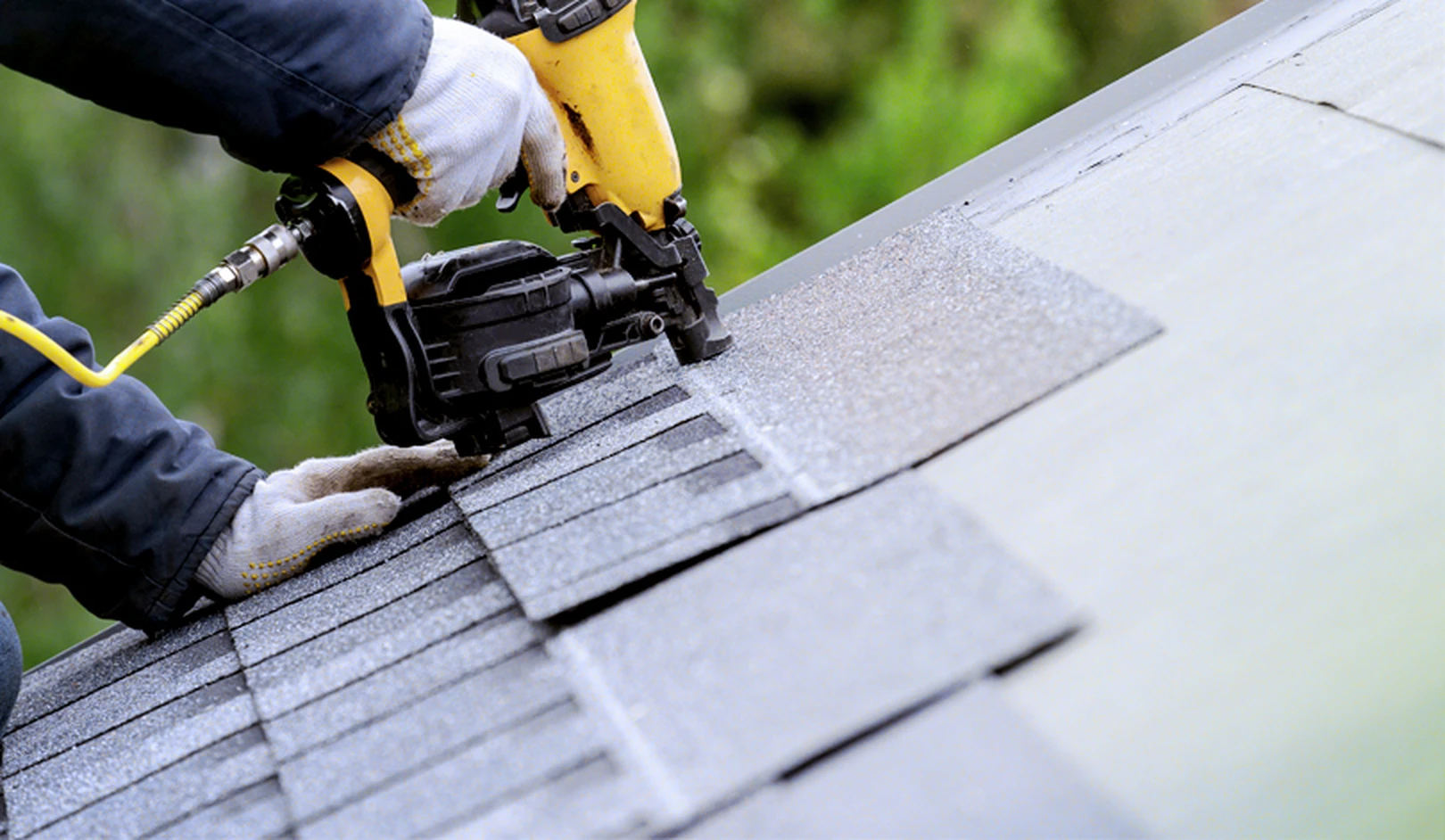
Step 5. Roof Installation
New materials are installed following manufacturer guidelines.
Step 6. Ventilation Review
Proper airflow improves durability and energy performance.
Step 7. Cleanup and Final Review
The site is cleared and the roof is inspected for quality.
Roof Replacement Tips That Matte
Use these practical roof replacement tips to avoid common issues.
- Replace aging roofs before major failure
- Choose materials designed for local climate
- Work with trained roofing professionals
- Confirm material and labor warranties
- Do not skip ventilation planning
Early planning lowers long-term costs.
Choosing Materials for Roof Replacement
Material selection plays a major role in performance.
Asphalt Shingle Roofing
Common, affordable, and effective for most homes.
Metal Roofing
Durable and long-lasting, ideal for storm-prone areas.
Specialty Systems
Used for unique architectural or commercial structures.
A proper roof replacement guide always includes material education.
Roof Replacement Guide for South Carolina Homes
South Carolina weather places added stress on roofing systems.
Heat, humidity, and storms require:
- Strong underlayment
- Proper flashing
- Correct installation techniques
Local roofing professionals understand these regional challenges.
Can You Stay Home During Roof Replacement?
Yes.
Most homeowners remain home during installation.
Noise and vibrations are normal. Crews work efficiently to limit disruption.
How Much Does Roof Replacement Cost
Pricing depends on:
- Roof size
- Material choice
- Deck condition
- Installation complexity
An inspection provides the most accurate estimate.
Common Roof Replacement Mistakes to Avoid
- Delaying replacement too long
- Hiring uninsured labor
- Ignoring ventilation needs
- Skipping permit requirements
- Choosing price over experience
Avoiding these mistakes protects your investment.
Frequently Asked Questions
How do I know when to replace a roof instead of repairing it?
If repairs are frequent and the roof is aging, replacement is usually more cost-effective.
How long does a new roof last?
Asphalt shingle roofs last 25 to 30 years. Metal roofing can last significantly longer.
Will insurance cover roof replacement?
Storm damage may qualify. Normal wear typically does not.
When is the best time to replace a roof?
Spring and fall offer ideal conditions, but replacement is possible year-round.
Why Proper Installation Matters
The roof replacement process is only as strong as its installation. Poor workmanship leads to leaks, early failure, and warranty issues. Quality installation protects the entire structure.
How Resilient Roofing & Repair Can Help
At Resilient Roofing & Repair, we help homeowners navigate the roof replacement process with clear communication and reliable workmanship. With over 20 years of experience, our team handles residential roofing projects of all sizes using quality tools and proven methods. Based in Pelion, SC, we focus on long-lasting results and honest service. Call (803) 201-1759 to schedule a roof inspection and take the next step toward protecting your home.sses find the roofing solution that fits their needs.
Call (803) 201-1759 today to schedule your TPO roofing consultation.