 Pelion, SC
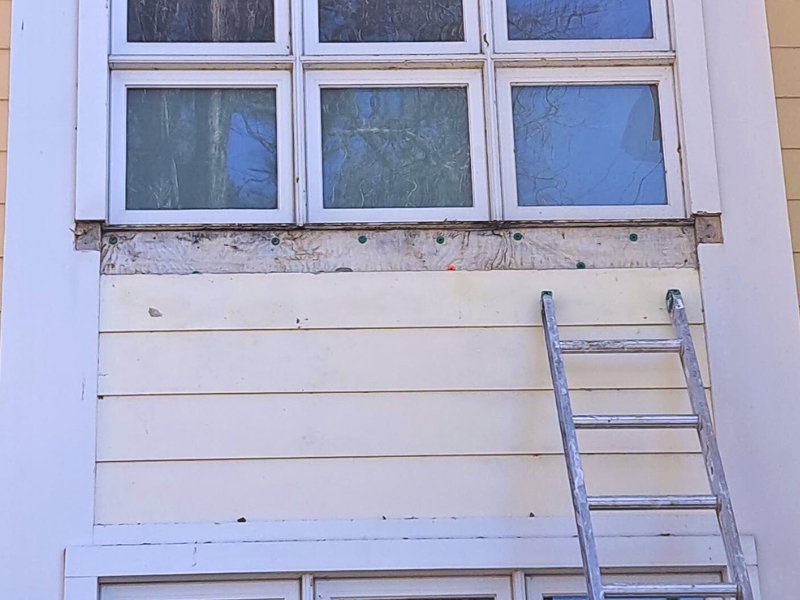
Siding Installation: A Complete Step-by-Step Guide for Homeowners
Upgrading your home’s exterior with new siding can dramatically improve its curb appeal, energy efficiency, and protection against the elements. But if you’re new to exterior home improvement, the idea of tackling a siding installation project can feel overwhelming. Don’t worry — we’ve created a step-by-step siding installation guide to walk homeowners through the process from start to finish. Whether you’re planning a DIY project or coordinating professional installation, this guide covers essential tools, techniques, and tips for a flawless outcome.
Here’s everything you need to know about the siding installation process.
1. Plan and Prepare Your Siding Project
Before you pick up a single board, preparation is key. Successful siding installation starts with careful planning.
Key Steps:
- Assess Your Home: Inspect your current siding or exterior walls. Look for damage, rot, or water issues that must be addressed before installation.
- Choose Your Siding Material: Popular options include vinyl, fiber cement, wood, and engineered wood. Consider durability, maintenance, and aesthetics.
- Measure Accurately: Measure your home’s exterior to calculate how much siding you’ll need. Don’t forget to account for windows, doors, and trim.
- Check Local Building Codes: Some municipalities have specific requirements regarding siding materials or installation methods. Ensure your project complies.
- Gather Tools and Materials: Typical tools include a tape measure, level, utility knife, hammer, nails, circular saw, chalk line, and siding starter strips.
Pro Tip: Create a detailed checklist of materials and tools to avoid delays during installation.
2. Remove Old Siding and Prepare the Walls
If your home already has siding, you’ll need to remove it before installing new material.
Step-by-Step Tips:
- Start from the Top: Work from the top down when removing old siding panels to avoid damage.
- Inspect the Sheathing: Once the old siding is removed, check the sheathing for rot or water damage. Replace any compromised sections.
- Install a Moisture Barrier: Apply house wrap or building paper to protect against water infiltration. Overlap seams by several inches and secure with staples.
Expert Tip: Proper wall preparation ensures the new siding will last longer and prevent future water issues.
3. Install the Starter Strip
The starter strip forms the foundation for your siding. Accuracy here ensures the rest of your panels align correctly.
How to Install:
- Attach the starter strip along the bottom of the wall with nails or screws recommended for your siding type.
- Use a level or chalk line to ensure the strip is perfectly horizontal.
- Leave a small gap for expansion and contraction, especially for vinyl siding.
Step-by-Step Siding Installation Tip: Skipping this step or installing it unevenly can cause crooked panels and gaps.
4. Begin Installing Siding Panels
Now comes the main part of the siding installation process.
Step-by-Step Instructions:
- Start at the bottom corner of your wall.
- Slide the first siding panel into the starter strip and secure it with nails, leaving room for expansion.
- Continue installing panels horizontally, overlapping edges according to the manufacturer’s guidelines.
- Use a level frequently to maintain straight lines.
- Cut panels to fit around windows, doors, and corners using a utility knife or circular saw.
Common Mistake to Avoid: Nailing panels too tightly. Siding needs room to expand and contract with temperature changes.
5. Handle Windows, Doors, and Corners
Detail work around openings and edges ensures a professional-looking finish.
Tips for Proper Installation:
- Install J-channel trim around windows and doors to create clean edges.
- Ensure siding panels fit snugly but allow slight movement for expansion.
- For corners, use pre-formed corner pieces or overlap panels as recommended for your siding type.
Pro Tip: Properly sealed edges prevent water infiltration and enhance the home’s energy efficiency.
6. Install the Top Panel and Trim
Finishing the uppermost section of the wall and trim completes the installation.
Step-by-Step Siding Installation Guide:
- Cut the final panels to fit beneath the eaves or soffit.
- Attach siding trim around edges to cover gaps and provide a polished look.
- Inspect all panels to ensure alignment and secure fastening.
Expert Tip: A clean, precise top finish improves the overall aesthetic and protects the wall from water damage.
7. Inspect Your Work and Clean Up
Before considering the project complete, take time to review your work.
Checklist:
- Ensure panels are straight and properly secured.
- Check that all trim and corner pieces are in place.
- Remove any debris, leftover nails, or scrap materials.
- Test doors and windows to ensure nothing interferes with opening or closing.
Pro Tip: Take photos of your completed work for reference in future maintenance or if you’re planning additional projects.
8. Siding Installation Tips for Homeowners
To make your siding installation smoother, keep these tips in mind:
- Work on Good Weather Days: Avoid installing siding in rain, snow, or extreme heat.
- Use Quality Fasteners: Manufacturer-approved nails or screws ensure proper panel performance.
- Maintain Consistent Overlaps: This prevents water penetration and wind damage.
- Keep Safety First: Wear gloves, eye protection, and stable ladders when working at heights.
- Follow Manufacturer Instructions: Each siding type has specific installation requirements.
9. Common Siding Installation Mistakes to Avoid
Even minor mistakes can shorten the lifespan of your siding. Watch out for these pitfalls:
- Nailing panels too tightly, preventing expansion.
- Skipping the moisture barrier.
- Misaligned starter strips.
- Improperly sealed corners and trim.
- Using damaged or warped panels.
Avoiding these mistakes ensures your siding remains durable, attractive, and functional for years.
10. Maintaining Your New Siding
Proper maintenance keeps your siding looking great and performing well:
- Clean siding at least once a year with mild soap and water.
- Inspect for damage, cracks, or loose panels.
- Repair minor issues promptly to prevent more extensive problems.
- Repaint or stain wood siding as recommended.
Step-by-Step Siding Installation Tip: Routine maintenance extends the life of your investment and maintains your home’s curb appeal.
A successful siding installation requires planning, preparation, and attention to detail. By following this step-by-step siding installation guide, homeowners can ensure a smooth, efficient project that results in a durable and attractive exterior. From measuring and removing old siding to installing panels, trim, and final touches, each step matters.
Whether you’re completing a DIY project or working with professionals, applying these siding installation tips will help you avoid common mistakes and achieve a lasting, beautiful finish. With the right tools, preparation, and guidance, your home’s new siding will protect, beautify, and increase the value of your property for years to come.